Tag Archive for: Pediatric

A coordinated effort between the American Academy of Pediatrics and the American Heart Association has produced new CPR and airway obstruction guidelines which went into effect towards the end of 2025. This is an important update and one all families should be aware of.

CHANGES FOR INFANT CPR

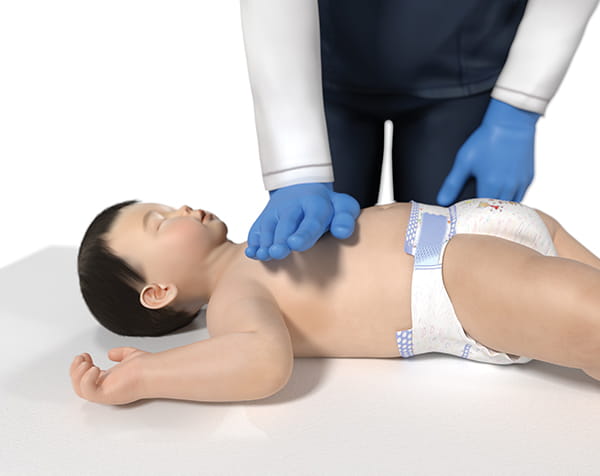
The use of two or three fingers on the chest for compressions is no longer in effect. It is now recommended that the rescuer use the palm of their hand between the nipples (as before), 

or alternatively, the two-thumb encircling hands technique.

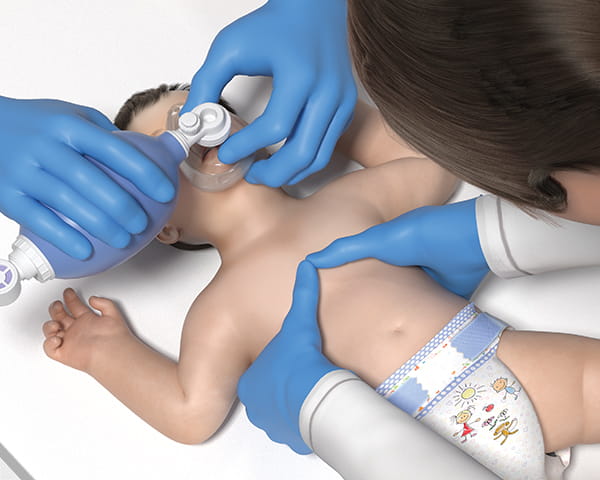
We still need to move the infant chest at least 1/3 of its depth or about 1.5 inches. The ratio of pumps to breaths remains 30 pumps and 2 rescue breaths.

This change reflects the fact that most rescuers were not pumping deep enough.

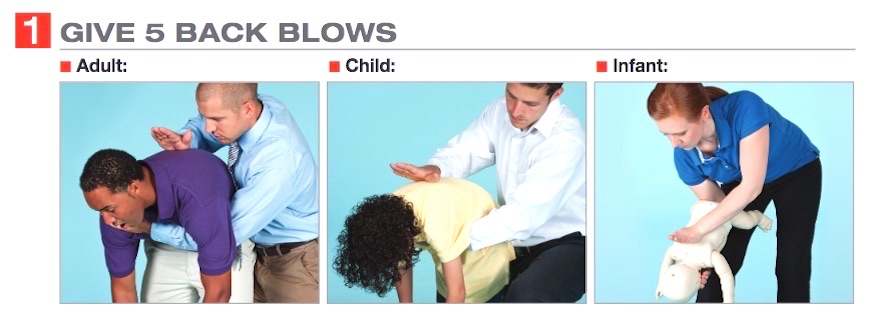
The recommendation for foreign body obstruction (choking) is unchanged. Repeated upper back hits (up to 5) followed by up to 5 chest thrusts is still the method of choice until the baby is over one year old.

CHANGES FOR CHILD CPR

CPR technique for a child now includes the use of two hands to ensure adequate depth of compression (at least 1/3 of the chest wall depth).


Please remember that if a child is no longer conscious due to airway blockage it is imperative that CPR begin immediately.

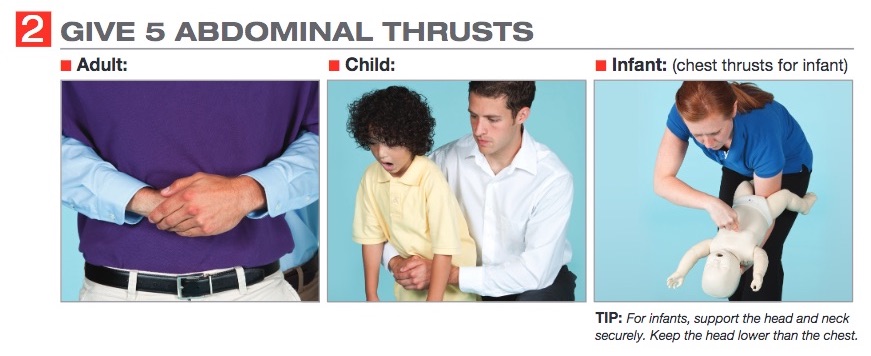
The new recommendation for a choking child now includes 5 upper back hits followed by up to 5 abdominal thrusts (inward and upward), alternating until the object is cleared.

  • For best effect, position yourself to the side and slightly behind the choking child. For a small child, you may need to kneel behind them rather than stand. This should be done while the child is bent over. Previously we suggested back hits while the child was standing upright.
  • Give 5 back blows using the heel of the hand to strike between the shoulder blades. If no improvement, then have the child stand up straight.
  • Next, move behind the child; bend your knees slightly for balance and support, and give 5 abdominal thrusts, pulling inward and upward each time.
  • Continue alternating 5 back blows and 5 abdominal thrusts until the child can cough, cry or speak.
  • If they become unresponsive, begin CPR (starting with compressions)


CORRECT RESPONSE TO CHOKING 

As always, we continue to encourage parents and care providers to follow the basics of prevention of airway obstruction by adhering to the following principles:

  • Never leave an infant or small child unattended during mealtimes
  • Once they are crawling/walking keep all food and other objects away from them
  • Do not provide food or snacks in the car as it is difficult or impossible to recognize an airway obstruction before it is too late
  • Be extra careful if you enter a small mouth to try and remove an object. If you must, do so by going along the cheek then swipe across the mouth

When someone is choking immediate response is crucial. You can’t rely on Paramedics to save the day as they won’t be able to arrive in time. That is why we cannot stress enough how important it is for ALL family members and care providers to know how to save a choking infant or child. 


BE PREPARED. BE SAFE.


There’s a lot to think about when you’re having a baby, so many needs to consider – cribs, strollers, clothing, diapers, baby bottles, bassinets, and more. Needless to say, choosing the best and safest products for your infant, toddler, or young child can be a dizzying process, especially when you’re bombarded with so many product choices.

But how to know if you’re buying something that poses a serious risk? An easy way to stay informed is to register with the Consumer Product Safety Commission (cpsc.gov) so you can receive email alerts that identify dangerous products and provide information about their risks. They also have an app you can download to your phone. You can find that here. This is a must-have resource. Adult-related products are included as well.

We went over all the alerts that were issued this year up to the writing of this article and identified a number of product categories that seem to continually pose a health and safety risk where infants and toddlers are concerned. And the list of products grows every day.

Here’s a sample of our findings…

  • Several baby bathing seats that are unsafe and present an increased risk of drowning
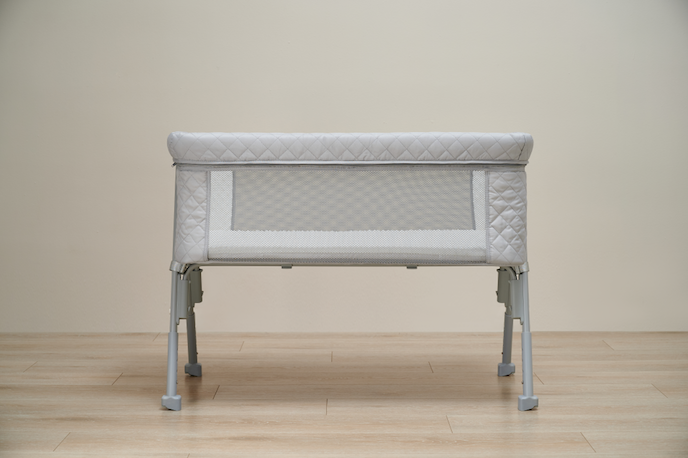
  • Bassinets which are unsafe for infants, increasing the risk of suffocation or entrapment

  • One or more baby gates that do not meet safety standards
  • More than a few chests of drawers that are top heavy and are easy to tip over by a small child causing serious injury

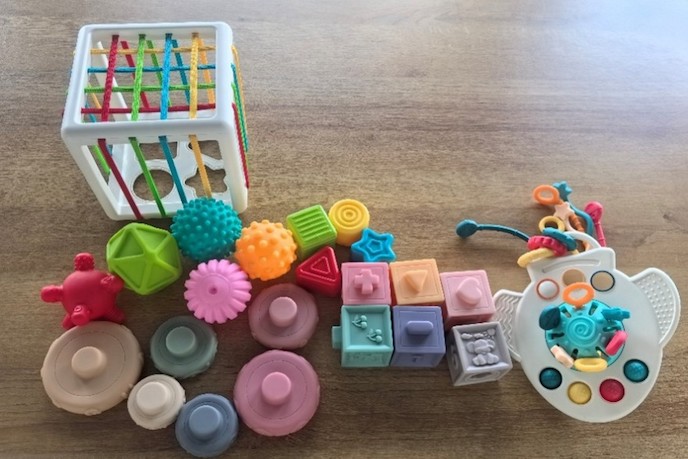
  • Numerous toys, games and other items powered by small batteries that, if placed in
    the mouth, increase both a choking risk as well as a risk for toxic ingestion

  • Several safety helmets for those starting to ride a bike or skateboard that are not
    adequate for protection of the head
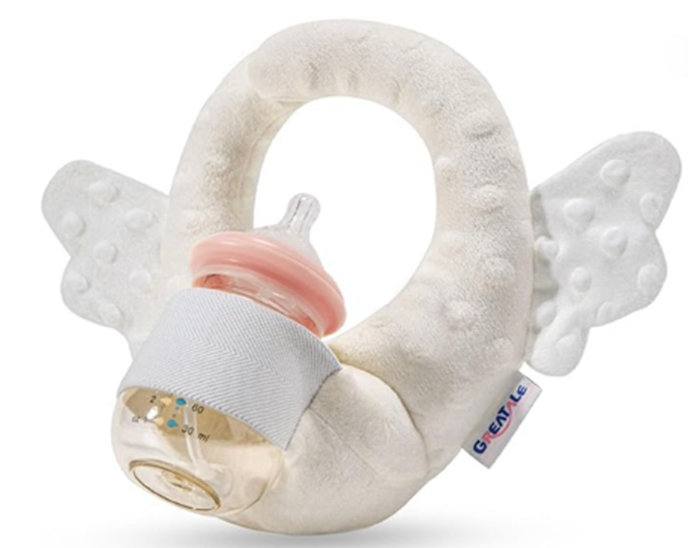
  • Several “self-feeding” pillows with attachments for a small bottle that pose a
    choking risk

  • Any number of medications and/or supplements that violate child resistant
    packaging and can lead to serious or lethal toxic ingestion
  • Infant & toddler bedtime clothing that do not meet flammability standards

There are also a significant number of items that adults use regularly including:

  • Power strips for multiple electrical inputs that pose a fire risk
  • Steam cleaners due to risk of serious burns
  • A number of pool or hot tub drain covers which increase the risk of entrapment and
    drowning
  • Several adult portable side rails that increase the risk of serious falls


Save a Little Life strongly encourages all parents to register with the CPSC. Here’s a direct link to subscribe to their mailing list.


BE PREPARED. BE SAFE.


These days, a growing number of people worldwide are consulting AI Chatbots for medical advice. The question is, can we rely on them to give us accurate advice?

A recent study conducted at Oxford University set out to establish whether or not AI systems are effective with regards to diagnosis and appropriate course of action.

The study included nearly 1,300 participants who were asked to identify potential health conditions and recommended courses of action, based on personal medical scenarios developed by doctors.

One group used AI chatbots to assist in their decision-making, while a control group  used other traditional sources of information. The researchers then evaluated how accurately participants identified the likely medical issues and the most appropriate next step, such as visiting a GP or going to the ER.

Results showed that those who relied on the chatbots made the right choice less than half of the time and that AI correctly identified the problem only about a third of the time.

Although AI platforms excel at standardized tests of medical knowledge, they fall short when it comes to accurate diagnosis because they don’t reflect the complexity of interacting with human users.

Researchers found evidence of three specific areas that posed a challenge:

  1. Users often didn’t know what information they should provide
  2. AI provided very different answers based on slight variations in the questions asked
  3. AI often provided a mix of good and bad information which made it difficult for users to identify the best course of action

Ultimately, AI’s advice was not any better than a simple Google search.

Rebecca Payne, one of the study’s authors, said it could be dangerous to rely solely on this new technology which might fail to recognize when a person needs urgent medical attention.

Senior author of the study, Associate Professor Adam Mahdi (Oxford Internet Institute) said: ‘The disconnect between benchmark scores and real-world performance should be a wake-up call for AI developers and regulators. We cannot rely on standardised tests alone to determine if these systems are safe for public use. Just as we require clinical trials for new medications, AI systems need rigorous testing with diverse, real users to understand their true capabilities in high-stakes settings like healthcare.’

Clearly, AI isn’t qualified to provide clear medical guidance…yet. On the plus side, although still in its infant stages, some doctors find that incorporating information provided by AI into their own assessments can help them spot illnesses in patients which could lead to new discoveries.

As for the rest of us who are still largely flying by the seat of our pants, it’s probably best to continue to rely on traditional doctor/patient interaction, at least for the time being.


Becoming a parent is one of life’s most profound transitions. During pregnancy, many people imagine what life with their baby will be like—wondering who their child will resemble, what their personality might be, and how family life will unfold.

Yet once the baby arrives, the reality of caring for a newborn often brings unexpected emotions, challenges, and learning experiences. The early days of parenthood are filled with both joy and uncertainty as parents adjust to new responsibilities, shifting identities, and the unique needs of their baby. This journey is not about perfection, but about growth, patience, and learning together. One day, one moment, and one diaper at a time.

You’ve come along way since giving birth. Take a moment to appreciate the incredible experience you have gone through and give yourself credit. Intellectually you knew parenthood was coming—having read books, taken classes, preparing the nursery, and researching baby names and all the baby gear.

Yet, even with preparation, the day-to-day reality of caring for a newborn is often very different from what was imagined. Crying, sleepless nights, and constant care can trigger strong emotions. Parents can feel helpless, frustrated, isolated, anxious, or unsure of themselves when their baby will not settle.

In reality, crying and cueing are a baby’s primary ways of communicating, and learning to understand this new “language” takes time and patience. It is normal to experience moments of doubt, disappointment, or even guilt.

Modern life adds extra pressure. Many parents are used to completing tasks quickly and efficiently, expecting immediate results. In the early days of parenthood, time feels different. Days can pass in a blur, leaving parents wondering where the time went. It is common to hear new parents, say, “The time just flew by.” or “I didn’t even have time to shower.” Remember: your baby does not notice small imperfections—a crooked diaper or an unfinished nursery matters far less than providing nurturing, comfort, safety, and a secure attachment.

Mindfulness and flexibility are essential for well-being. You and your partner may approach tasks differently, and that is okay. There is more than one way to soothe a baby, swaddle, or manage daily routines. Respecting each other’s strengths, and differences can create harmony and balance. Parenting is not about being right or perfect—it’s about learning, growing, and supporting each other along the way.

Some days will feel overwhelming, which is a common experience for new parents. When frustration arises, pause, take a breath, and take things one step at a time. Be gentle with yourself. This is a great time to practice self-compassion. Expect to make mistakes—this is part of learning. As your baby grows, new milestones will bring new challenges, and you will continue learning together.

Parenthood is the journey of learning, growth, and connection. With patience, humor, gratitude, and the practice self-compassion, you and your partner can face the challenges, celebrate the small wins and everyday joys, and build a secure, loving bond with your baby—one day, one moment, and yes, one diaper at a time!

Along the way, you may come to realize that the life you are creating together as a family—filled with countless little miracles, love, laughter, and gratitude—becomes the extraordinary dream you never knew you had.

If you have any concerns about your baby’s well-being, reach out to your pediatrician.

If you or your partner are persistently overwhelmed, anxious, or down, please reach out to your healthcare provider—support is available and you do not have to face this alone.

Helpful resources include:

Postpartum Support International

(call or text 1-800-944-4773)

or visit www.postpartum.net

National Maternal Mental Health Hotline

(1-833-TLC-MAMA)

988 Suicide & Crisis Lifeline

(988)

Written by Judith Ann Aluce BSN, RN, PMH-C, author of New Baby, New Mood: How to Navigate Life With a Newborn—offering essential guidance for embracing early parenthood. Follow Judith Ann on Instagram: @newbabynewmood



We often assume that food is the #1 choking threat when it comes to infants and yet the latest data from the Centers for Disease Control & Prevention reveals that object-related choking deaths significantly outnumber food-related deaths during the first year of life.

The study reviewed mortality data from 2018-2023, comparing food and object-related death across the lifespan. They found that “food-related choking peaked at age 1, when self-feeding becomes more common, while overall rates declined through early childhood.”

The lead author of the study, Dr. Rachel Ruiz, a pediatric gastroenterologist, looked at the analysis and it made her question her long standing assumptions about choking deaths. “As a pediatrician I was always taught that choking on food is one of the leading causes of accidental death among young children and what I found out was that’s not true.”

She acknowledged that while there has been great work done in educating families regarding food textures and portion sizes, we also need to be just as vigilant about nonfood items in the home.

Choking hazards abound when little ones begin to crawl and walk. Dr. Ruiz recommends that parents & care providers “get down on the ground and make sure you are really vigilant about vacuuming.”

This is especially true during the holidays when the risks increase. Some of the most common choking hazards include small toys (anything small enough to fit inside a toilet paper roll is a huge threat;) batteries (small lithium cell batteries, in particular;) coins, marbles, and small stones; magnets (found in magnetic toys; refrigerator magnets are also a risk;) art supplies and decorations (think beads, buttons, etc.)

Save a Little Life encourages parents to register with the Consumer Products Safety Commission (cpsc.gov) to receive updates on the many nonfood items that have been recalled due to choking hazards.

At a recent meeting of the American Academy of Pediatrics there was a wide-ranging discussion of popular myths about pediatric allergies. Discussions included topics such as First vs Second Generation Antihistamines, Local Organic Honey for Treatment of Allergies, How to Diagnose Cow’s Milk Allergies, Penicillin Allergies and Treatment of Hives.

Another issue, very relevant to breast feeding mothers, is whether there is a need to eliminate foods that might be passed along to infants in breast milk. The discussion was led by David Stukus, MD, a professor of clinical pediatrics in the division of Allergy and Immunology at Nationwide Children’s Hospital, Columbus, Ohio.

Stukus explained that breastfeeding mothers do not typically pass allergens to their infants in breastmilk, “so it is rare that a mother would need to eliminate anything from her diet if her baby experiences atopic dermatitis, colic, GI reflux or similar symptoms.”

Dr. Stukus also addressed other allergy-related misconceptions including:

  • There is no need to wait a certain number of days between introducing new foods to infants. He suggested letting babies explore new foods and textures at each mealtime and to reassure families that 95% of children never develop food allergies. In reality, he said, “early and ongoing consumption of different foods has the greatest likelihood of preventing food allergies.
  • Egg allergy is not a contradiction to the flu, measles, mumps rubella and yellow fever vaccines. Again, he is quoted…“Despite concerns about a theoretical risk that vaccines made using chick embryos could cause an allergic reaction, the evidence has shown otherwise, and allergy to a vaccine ingredient is not usually a contradiction to receiving it.”
  • When comparing first vs second generation antihistamines parents should consider not using diphenhydramine (Benadryl) in favor of newer antihistamines such as Zyrtec or Claritin as they have a quicker onset with fewer side effects. 

    It is vital that all young families speak with their own pediatricians regarding food allergies, various treatments, or any other issues that you are concerned about.

When to initiate semi-solid and then solid food for your baby is one of the most commonly asked questions during our Pediatric CPR & Family Safety classes. These concerns are clearly associated with the risk of choking. We fully understand these anxieties and do our best to help families be prepared to deal with them.

Our friends at Beverly Hills Pediatrics have provided a very helpful set of guidelines to make the process easier and less stressful.

Answers to the following questions will help you get started.

WHEN CAN YOUR BABY EAT SOLID FOODS?

They are typically ready between 4 and 6 months of age. By this time, they have improved their head, tongue, and mouth coordination.

It is advisable to start with pureed foods that an infant can manage more easily. These foods should not necessarily replace breast or formula feeding but are an addition to those other valuable nutrients.

An infant is ready to begin this process when they display certain signs of readiness, in particular, the ability to sit upright with minimal or no support from a parent or care provider.

Close focus and attention to the infant is always essential for safety.

4-8 MONTHS

New research shows that introducing a wide variety of foods as early as possible is important for developing adventurous eaters and may be important in reducing the risk of food allergies.

At 6 months you can start introducing water via a “sippy cup” or straw.

Shows a baby boy in a high chair drinking from a yellow sippy cup

During infancy the only food you should avoid is honey as it is not tolerated well and could cause botulism.

WHAT ABOUT FOOD ALLERGIES? WHAT, IF ANYTHING SHOULD WE AVOID?

The introduction of more allergenic foods (peanuts, tree nuts, eggs, dairy and fish) early and frequently helps reduce rates of allergies. Our experts suggest including small amounts of these foods in your child’s diet 2-3 times per week. However, if your little one has a history of severe eczema or a family history of severe allergies please consult with your pediatrician before starting these foods.

It is advised to avoid processed foods while aiming for whole ingredients. You can start with spooning small amounts of food(s) and observe the natural process that we all possess at this young age.

Remember, babies love the taste of food just as we do so if you want to puree your entire dinner and offer it in small amounts to your baby, go for it!

8-12 MONTHS

At this age you should feel safe offering them finger foods. At this point, please make sure that the size of the food is small enough so pieces can dissolve more easily. Start with pea-sized bites and advance slowly. Some larger foods that might seem too big such as bananas or whole cooked carrots and sweet potatoes are good, healthy examples.

Shows a baby girl eating a piece of apple while sittiing on a counter wearing chef whites with a pink scarf and a pink skirt.

Encourage them to try a variety of mild spices and flavors yet try to avoid over salting their foods as excess sodium isn’t good for any of us.

By this time many clinicians suggest decreasing breast feeding to 3-5 times per day and formula intake from 29-32 oz. per day to 16-24 oz. per day.

FOODS TO AVOID

Some foods are just too risky and can increase the risk of choking. These include popcorn, whole nuts, whole grapes or any hard foods until at least the age of three.

Beyond this age parents and care providers need to continue to observe them while eating in case of an unexpected choking event.

BE PREPARED, JUST IN CASE!

Parents, family members, and care providers need to be prepared in case of a true choking event. All adults who care for little ones must take a CPR course to learn how to resolve this emergency. Remember, paramedics will never be there in time to assist in a severe choking episode.

Choking is a very real threat and scary issue when it comes to infants, toddlers, and small children so it’s a rare occurrence if I don’t get questions in a CPR class regarding the use and benefits of anti-choking devices.

In a previous article, De-Choking Devices – Friend or Foe? we looked at some of the possible dangers and misinformation surrounding these devices. However, if you believe the promotions for the so-called Doctor Endorsed “Dechoker” or “LifeVac” anti-choking devices, you’re still likely to feel compelled to run out and get one immediately.

A closer look at the research and official recommendations for a choking baby or child, however, might have you come away with a different opinion.

First of all, it’s worth noting that the FDA’s recommendations do not include any of the above-mentioned devices. That holds true for the American Heart Association and the American Red Cross. Instead, they recommend that the first line of defense be the skills learned in an infant or child pediatric CPR class.

Why?

Responding to an actual complete airway obstruction requires quick action by a family member or trained care provider/nanny. Anyone responsible for the care of your baby or child must be prepared to act immediately and be well-versed in how to do so. Even a paramedic response may not be of any help because time is of the essence.

So, why not rely on an anti-choking device? They look simple enough to use.

In this video, the first in an excellent 4-part series, Dr. Darria Long Gillespie, an ER doctor and mom talks about the issues:

If you are a previous client of Save a Little Life you have learned the necessary skills in class. A reminder, the standard protocol is either back blows and chest pushes for an infant or a measured Heimlich Maneuver for toddlers or older children. If you were to discuss this with your pediatrician, she/he would tell you that those skills are the most important responses for complete obstruction.

If those methods do not work, then as a last resort you might consider the use of an anti-choking product.

In every class we preach the following prevention methods which should be part of your daily choking prevention routine, including:

  • Do not leave the self-feeder alone during mealtimes
  • Once able to crawl or walk do not give them any food or snacks and only do so when in a proper highchair
  • Do not provide food or snacks in the car until they are much older
  • Try to avoid overreacting to gagging episode(s) but if you feel the need to go into a small mouth, always go in along the cheek line and then sweep across. This will avoid an accidental episode of pushing food into their airway

Again, anyone with care responsibilities for a baby or child must know the proper skills…without exception.

For an in-depth comparison and investigation of the most popular anti-choking devices be sure to view the Dr. Darria’s complete series on this topic: Part 1 Part 2Part 3 Part 4


If you’re interested in refreshing your CPR skills or are a first-time parent wanting to learn, please contact us for more information

VISIT OUR CALENDAR FOR UPCOMING CLASSES

Most expectant and recently delivered parents are familiar with the term Neonatal Intensive Care Unit or NICU (“nick-u”) which might be necessary in the case of a newborn that arrives sick or premature. For that reason, all hospitals who deliver babies are required to have access to a NICU, just in case.

But what happens when an older infant or child requires intensive care? Are they also cared for by the NICU unit?

The answer is no. NICU patients are typically newborns, although some NICUs care for babies up to two months old. Beyond that, a Pediatric Intensive Care Unit or PICU is required for all children, generally up to the age of 18.

What’s important to know is that PICUs are specialized units that don’t exist in all hospitals. Therefore, it is important that parents find out where the nearest PICU is located so their little ones can receive the best care if and when they are seriously or critically ill or injured.

For example, let’s say a 3-year-old child has fallen from a height that caused a brain injury and they are showing signs of a severe concussion or worse. That child would require hospitalization in a PICU for intensive monitoring and treatment by specialized physicians and nurses until they were stable and continuing to improve.

PICUs are most often located in medical centers that are teaching hospitals. A teaching hospital trains physicians in all areas of medicine, from pediatrics to neurology to orthopedics and so on. They have 24/7/365 capacity to provide rapid care to babies, children and adolescent patients.

What you need to bear in mind is that these represent only a small percentage of the hospitals in the greater Los Angeles area.

So what happens if the paramedics arrive and determine that your baby or child requires hospitalization?

Paramedics are extensively trained to evaluate and treat infants and children both in your home and en route to the hospital. Please follow their instructions and lead as they are making decisions based on sound clinical judgement.

If they determine that your little one will likely need intensive care, they will not take them to a hospital that cannot care for them, however, it is also possible that they will go to a medical center where your pediatrician does not have admitting privileges.

It goes without saying that ideally, you would want your child to go to a medical center where your pediatrician admits and practices.

So, an important question to ask and one that all parents should know the answer to is where does your pediatrician admit the most serious patients? 

It’s helpful to know that pediatricians have admitting privileges at one or more of these medical centers – in fact, many have done their resident training at these centers – but don’t take anything for granted. If you don’t already know, please ask your pediatrician where she or he admits little ones.

In Los Angeles, the following medical centers have a PICU:

  • UCLA Medical Center (Westwood)
  • Cedars-Sinai Medical Center
  • Children’s Hospital of L A.
  • County USC Medical Center
  • most Kaiser Permanente hospitals
  • The recently enlarged Providence/Cedars Tarzana hospital also has a critical care unit for pediatrics
  • In outlying areas, Loma Linda Medical Center and Harbor UCLA Medical Center should be included in the list

Save a Little Life is dedicated to educating parents, family members, and care providers to respond to most pediatric health emergencies, if needed. Never underestimate the importance of that knowledge. Keeping CPR and airway emergency skills current can make the biggest difference in critical health events.


Did you know that with all the emphasis on back sleeping, it’s very important that  infants spend a short but regular amount of time on their stomachs? This allows your baby to strengthen their shoulder, neck, back and core muscles which lay the foundation for sitting up, rolling over and eventually crawling and walking.

Parents and caregivers can start this very early, even within days of birth.  

The American Academy of Pediatrics suggests 2 or 3 tummy time sessions every day.  

Each session should only be a few minutes long.  As the infant grows and their strength improves these sessions can be more frequent and for longer periods.

For those who aren’t sure how to get started here are some suggestions that will help:

  • Try short tummy time sessions after a diaper change or after the baby wakes up from a nap
  • Prop up young babies by placing a rolled-up towel or small blanket under their arms and chest
  • To encourage play, put toys or a small mirror within baby’s reach to enable them to interact with their surroundings
  • Join your baby on the floor at their eye level and interact with them by singing, holding objects and talking to them
  • Tummy time can also occur when an adult is on their back and baby is lying on them or across the parent’s lap

All family members can participate in tummy time, including grandparents, or older siblings as long as an adult is watching.

These moments not only encourage growth and development but also offer a change from the safest sleeping position…on their backs.