• Shopping Cart Shopping Cart
    0Shopping Cart
Save a Little Life
  • HOME
  • ABOUT
    • SAVE A LITTLE LIFE
    • OUR TEAM
  • CLASSES
    • CERTIFICATION CLASSES
    • NON-CERTIFICATION CLASSES
    • CLASES EN ESPAÑOL
    • VIRTUAL CLASSES
  • FAQ
  • CALENDAR
  • GALLERY
  • SAFETY CORNER
  • SHOP
  • RESOURCES
  • CONTACT
  • Menu Menu
Vaccinations, Viruses

IS THE REVISED VACCINE SCHEDULE IN EFFECT YET?

In January, President Trump and the head of Health & Human Resources, Director

Robert F. Kennedy Jr. issued a proposal for a revision of the vaccine schedule for infants and children. Rather than following the standard ACIP evidence-review cycle, the 2026 federal immunization schedule was developed through a separate assessment commissioned at the executive level.

Despite the fact that the schedule of the (AAP) American Academy of Pediatrics continues to recommend vaccines protecting children against 18 specific diseases, maintaining the full scope of immunization guidance that pediatricians have relied upon for decades, under the new federal framework the number of vaccines recommended for all U.S. children was reduced from 18 diseases to 11.

Subsequent executive orders further urged separating combination shots (like MMR) into individual visits when feasible, though major medical associations continue backing comprehensive guidelines.

The proposal cites a need to bring U.S. vaccine rates in line with “peer nations” and points to Denmark as an example.

Scientists, however, disagree, arguing that:

  • Denmark is an outlier in that is has a small homogenous population (6 million) and a highly centralized system where monitoring disease outbreaks are much different so the comparison of the two nations is without merit and is not logical
  • Conditions in the U.S. are uniquely different than those of the wealthier nations (Canada, the UK, Western and northern Europe (Sweden, Finland, Denmark)
  • These countries all have centralized healthcare systems that guarantee universal access to care throughout life and monitor illnesses differently

Shows a young girl wearing glasses dressed as a nurse. She is holding a magnifying glass in one hand and a plastic play syringe in the other.

There are 18 diseases included in the current vaccine schedule. Seven of them have been eliminated from the proposed revision. (See Numbers 12-18 )

  1. Diphtheria – A serious bacterial infection affecting the mucous membranes of the throat and nose.
  2. Tetanus (Lockjaw) – A severe bacterial disease causing painful muscle spasms.
  3. Pertussis (Whooping Cough) – A highly contagious respiratory tract infection.
  4. Polio – A disabling and life-threatening viral disease that can cause paralysis.
  5. Haemophilus influenzae type b (Hib) disease – A bacterium that can cause severe illness, including meningitis and pneumonia.
  6. Pneumococcal disease – Infections caused by bacteria leading to pneumonia, blood infections, or meningitis.
  7. Measles – A highly contagious viral infection characterized by a generalized rash and high fever.
  8. Mumps – A viral infection affecting the salivary glands.
  9. Rubella (German Measles) – A contagious viral disease marked by a distinctive red rash.
  10. Varicella (Chickenpox) – A highly contagious viral disease causing an itchy, blister-like rash.
  11. Human Papillomavirus (HPV) – A common sexually transmitted virus linked to multiple cancers.
  12. Influenza (Flu) – A common seasonal viral respiratory illness.
  13. Hepatitis A – A contagious liver infection caused by the hepatitis A virus.
  14. Hepatitis B – A serious liver infection caused by the hepatitis B virus.
  15. Rotavirus – A contagious virus causing severe watery diarrhea and vomiting in infants.
  16. Respiratory Syncytial Virus (RSV) – A common virus causing respiratory tract infections, particularly severe in infants.
  17. COVID-19 – Respiratory illness caused by the SARS-CoV-2 coronavirus.
  18. Meningococcal disease – Severe bacterial infections causing meningitis or blood infections
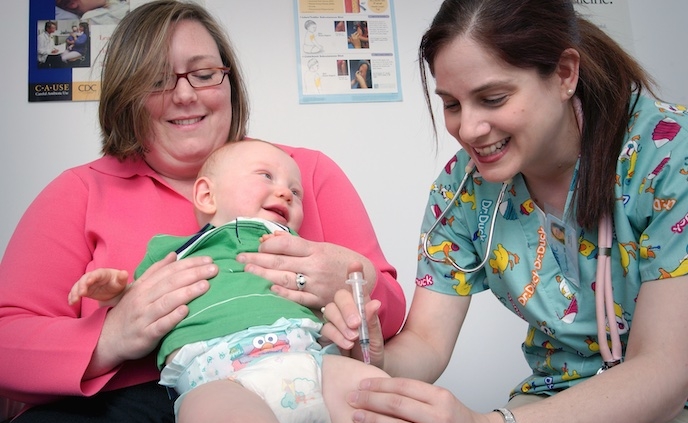
Shows a nurse administering a shot to a baby who is being held in its mother's arms.

There is no data that shows that spacing the MMR (measles, mumps, rubella) vaccines is beneficial. And there are those who strongly believe that the space in-between these vaccines would place more children at risk during these delayed periods.

Much of the debate is centered on the notion that vaccines are responsible for our national rates of autism. In case parents are unaware of the alleged connection, it is important to acknowledge that the “study” which supposedly makes the link between certain vaccines and autism was based on a 1988 article in the British medical journal The Lancet. That study, which was based on findings from 12 children – was thoroughly discredited and its principle author lost his medical license due to allegations of serious medical misconduct (our emphasis).

The incidence of autism is now around one in every one hundred children in the U.S.

Some medical experts and environmental scientists are of the belief that elevated exposure to a variety of environmental toxins including micro-plastics, food additives, chemical pollutants and even unsuspected viruses or organisms can genetically affect susceptible children.
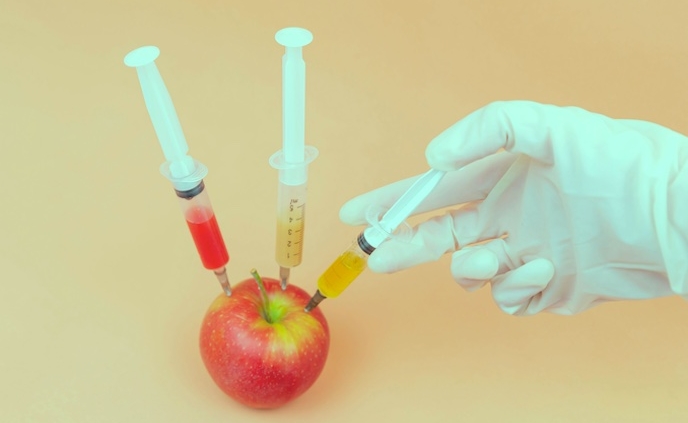
The truth is that we really do not know for sure.

Without a doubt, the incidence of autism is a genuine and growing issue of concern, but it requires real science conducted by real experts to establish what the best and safest choices are for parents.

As of July 2026, the federal recommendations have been “stayed” by a federal judge, and the CDC is recommending its 2025 guidance that includes 18 diseases. What this means is that the established schedule remains in place while the courts resolve the matter.

The best policy is to talk honestly with your pediatricians. Sharing information results in informed decisions. That is how we arrive at the best plan for keeping our little ones as safe as possible while protecting them from infectious diseases.
 

September 18, 2026
https://savealittlelife.com/wp-content/uploads/2026/09/vaccine-5850632_1280_688x516.jpeg 516 688 RichardP https://savealittlelife.com/wp-content/uploads/2017/02/Save-A-Little-Life-logo.jpg RichardP2026-09-18 15:41:202026-09-18 19:04:14IS THE REVISED VACCINE SCHEDULE IN EFFECT YET?
Vaccinations, Viruses

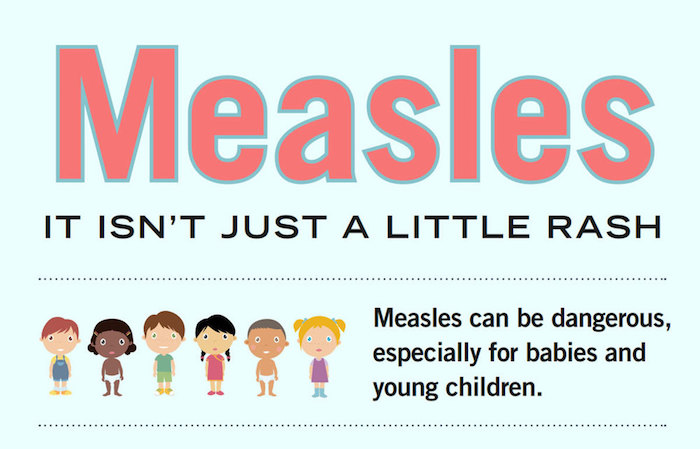
MEASLES ARE BACK

It has been a quarter century since measles was officially eliminated in the U.S. Yet here we are in 2025 seeing a resurgence. Numerous cases have been reported in different states which are giving health experts great cause for concern.

As of mid-May 2025, there were more than 1,000 new cases of measles and three measles-related deaths in the U.S., surpassing the 285 cases reported for all of 2024, according to public health statistics.

Researchers at Stanford University just published an article in the Journal of the American Medical Association which suggests that with the current level of immunizations, measles would return to endemic status with more than 850,000 cases in 25 years.


WHAT ARE MEASLES AND WHY ARE THEY SO DANGEROUS?

Measles is a highly contagious airborne virus which can lead to serious complications like ear infections, pneumonia, and brain inflammation (encephalitis) which can be fatal. Children are obviously the most vulnerable but it can affect people of all ages, especially those whose immune systems are weak.

According to Jay Varma, MD, an epidemiologist and primary care physician in New York City “The healthcare delivery system is not prepared for the resurgence of measles.” Measles is twice as contagious as COVID-19 so given what occurred during the recent pandemic it is very likely that a measles epidemic would push the healthcare system beyond its capacity.


WHY ARE MEASLES ON THE RISE AGAIN?

There is a lot of misinformation out there about vaccines which has resulted in reduced vaccination rates in some communities. That is further compounded by recent policy changes that have taken place in Washington some of which have been spearheaded by the new director of Health and Human Resources who has openly questioned the need for various vaccines,

When it comes to your family’s health we believe it is vital that you always check with your healthcare provider for the best advice.

June 12, 2025
https://savealittlelife.com/wp-content/uploads/2025/06/pediatric-measles.jpg 458 688 RichardP https://savealittlelife.com/wp-content/uploads/2017/02/Save-A-Little-Life-logo.jpg RichardP2025-06-12 17:52:252025-06-12 17:52:25MEASLES ARE BACK
Viruses

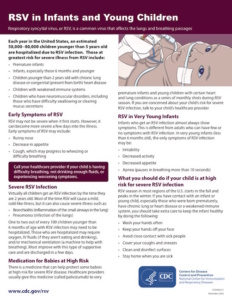
RSV – HOW BIG A THREAT IS IT?

An urgent call has gone out to government agencies to assist in what is now a major health concern – the Syncytial virus (RSV).

In the latter part of November the CDC reported record breaking numbers of pediatric cases requiring hospitalization. Among children age 17 and under, nearly 12/100,000 have been hospitalized across the country. For infants under 6 months the rate is a very troubling 145/100,000.

Currently, there is no vaccine for RSV, only supportive care.

Children’s hospitals are specialty hospitals with a limited number of beds. According to national data – three of these hospitals have set up overflow tents to treat both RSV as well as influenza cases, and winter has just begun…

According to Pedro A. Piedra, M.D., professor of virology & microbiology at Baylor College of Medicine “RSV is the major global respiratory pathogen affecting children under age 5.” He adds that “almost half of the deaths occur in children under 6 months of life.”

Mark Wietecha, Children’s Hospital Association CEO, says “Our system is stretched to its limit and without immediate attention the crisis will only worsen.” The American Academy of Pediatrics has echoed a similar warning.

The request for national assistance “Would create flexibility for healthcare providers and systems, particularly regarding government funded programs such as Medicare, Medicaid and the Children’s Health Insurance program (CHIP).”


Please check with your pediatrician regarding how best to safeguard your little ones from RSV and other respiratory infections.


RSV IN INFANTS AND YOUNG CHILDREN

(in English and Spanish)

CLICK HERE TO VIEW AND PRINT


December 9, 2022
https://savealittlelife.com/wp-content/uploads/2022/12/mask-5148411_1920-650x433-1.jpg 433 650 RichardP https://savealittlelife.com/wp-content/uploads/2017/02/Save-A-Little-Life-logo.jpg RichardP2022-12-09 17:49:582022-12-09 17:49:58RSV – HOW BIG A THREAT IS IT?
Viruses

THE #1 PANDEMIC VIRUS THAT COULD AFFECT YOUR FAMILY

Hype or hyperbole? Headlines scare people, for sure. The number of coronavirus comments, articles and statistics can make you shudder. You might even purchase protective masks or simply stay home in fear.

Americans, much like many others, are actually at much greater risk from a virus which is here, now. This season, influenza (the Flu), has already claimed the lives of at least 40 children and it remains a far greater health concern for your family than any other communicable disease.

According to the Centers for Disease Control & Prevention (CDC) the flu has sickened 13 million Americans this winter, putting 120,000 of them in the hospital and has already taken 6,600 lives. The flu season has not yet peaked and when all data is in the flu may take as many as 61,000 American lives.

Protection from the flu takes a number of forms. Although imperfect due to the changing nature of viral illnesses, the flu vaccine is still your best hedge against this awful disease. According to the CDC, fewer than half of American adults got a flu shot last season. For children, who are more vulnerable to the respiratory effects of the flu, only 62% received the vaccine last year.

Dr. Paul Offit, director of the Vaccine Education Center at Children’s Hospital of Philadelphia believes that because the exotic viruses from foreign lands have such different and scary names (Ebola, Zika, Wuhan, etc.) we fear them even more than our generic annual flu strains. When the SARS virus caught our attention, causing a global panic, the U.S. “dodged a bullet” according to the CDC with only 8 Americans becoming infected. There were no deaths from SARS in the U.S. Yet, it caused panic on a global scale.

Children are most often hit the hardest with the flu and statistics reveal that most kids who die from the flu virus have not been immunized against it. Many of these children were previously healthy.

Protection from the flu not only includes getting vaccinated. If you or a family member develops a fever, body aches, headache and/or cough they should be seen by the family physician and screened as early as possible for the flu. Early detection is essential as there are anti-viral medications that can be prescribed to lessen the negative impact.

Other simple methods of disease prevention include keeping sick individuals at home, frequent hand washing and covering ones mouth when coughing.

February 25, 2020
https://savealittlelife.com/wp-content/uploads/2020/02/virus.jpg 499 599 RichardP https://savealittlelife.com/wp-content/uploads/2017/02/Save-A-Little-Life-logo.jpg RichardP2020-02-25 18:03:102020-02-27 17:31:48THE #1 PANDEMIC VIRUS THAT COULD AFFECT YOUR FAMILY
Search Search

Upcoming Classes & Events

18 Oct

Family and Friends CPR & Home Safety (In Person Class) with the Pump Station & Nurtury – Santa Monica, CA

27 Oct

Family and Friends CPR & Home Safety (In Person Class) with A Mother’s Haven – Encino, CA

28 Oct

Family and Friends CPR & Home Safety (In Person Class) with the Pump Station & Nurtury – Santa Monica, CA

04 Nov

Family and Friends CPR & Home Safety (In Person Class) with the Pump Station & Nurtury – Santa Monica, CA

08 Nov

Family and Friends CPR & Home Safety (In Person Class) with the Pump Station & Nurtury – Santa Monica, CA

SITE NAVIGATION

  • HOME
  • ABOUT
    • SAVE A LITTLE LIFE
    • OUR TEAM
  • CLASSES
    • CERTIFICATION CLASSES
    • NON-CERTIFICATION CLASSES
    • CLASES EN ESPAÑOL
    • VIRTUAL CLASSES
  • FAQ
  • CALENDAR
  • GALLERY
  • SAFETY CORNER
  • SHOP
  • RESOURCES
  • CONTACT

FIRST AID KITS

Save A Little Life ™ FIRST AID KITS are a must-have for every household.

Each kit contains top quality hospital grade materials with instructions for use and an easy-to-use First Aid manual.

Available in three different sizes.

ORDER NOW

SMALL
MEDIUM
LARGE

First Aid Kit reviews

  • FAMILY FIRST AID KITS FAMILY FIRST AID KITS
    Rated 5 out of 5
    by Mike
  • FAMILY FIRST AID KITS FAMILY FIRST AID KITS
    Rated 5 out of 5
    by N. Phillips

SIGN UP FOR OUR NEWSLETTER

Shows the Save A Little Life logo - a brown teddy bear in front of a life buoy
(323) 394-4076

RESOURCES
TERMS OF USE
PRIVACY POLICY
SITE MAP
© Copyright SAVE A LITTLE LIFE 2026 - Site Design by: Great Spirited Productions
Scroll to top Scroll to top Scroll to top

Save A Little Life™ uses cookies to ensure you get the best experience on our website. By continuing to browse the site, you are agreeing to our use of cookies.

OK

Cookie and Privacy Settings


How we use cookies

We may request cookies to be set on your device. We use cookies to let us know when you visit our websites, how you interact with us, to enrich your user experience, and to customize your relationship with our website.

Click on the different category headings to find out more. You can also change some of your preferences. Note that blocking some types of cookies may impact your experience on our websites and the services we are able to offer.

Essential Website Cookies

These cookies are strictly necessary to provide you with services available through our website and to use some of its features.

Because these cookies are strictly necessary to deliver the website, refusing them will have impact how our site functions. You always can block or delete cookies by changing your browser settings and force blocking all cookies on this website. But this will always prompt you to accept/refuse cookies when revisiting our site.

We fully respect if you want to refuse cookies but to avoid asking you again and again kindly allow us to store a cookie for that. You are free to opt out any time or opt in for other cookies to get a better experience. If you refuse cookies we will remove all set cookies in our domain.

We provide you with a list of stored cookies on your computer in our domain so you can check what we stored. Due to security reasons we are not able to show or modify cookies from other domains. You can check these in your browser security settings.

Other external services

We also use different external services like Google Webfonts, Google Maps, and external Video providers. Since these providers may collect personal data like your IP address we allow you to block them here. Please be aware that this might heavily reduce the functionality and appearance of our site. Changes will take effect once you reload the page.

Google Webfont Settings:

Google Map Settings:

Google reCaptcha Settings:

Vimeo and Youtube video embeds:

Privacy Policy

You can read about our cookies and privacy settings in detail on our Privacy Policy Page.

PRIVACY POLICY
Accept settingsHide notification only