Tag Archive for: Save a Little Life

We’re all accustomed to seeing infants and toddlers nod off when traveling in a car. The question is, how safe is it?

Although their car seat is angled back a bit, you will have noticed that when they fall asleep their heads inevitably fall forward. This is considered to be safe since the amount of pressure on their airway isn’t sufficient to stop breathing.

That being said, safety experts have known for some time that prolonged sleep in a car seat poses the risk of impaired breathing. This is due to the amount of pressure that the infant’s head puts on the breathing passage in a “hyper-flexed” or head down position. Infants, in particular, have large heads and small, very weak neck muscles making it impossible to hold their head steady, especially during sleep. Consequently, their head will usually fall forward during a car ride which can apply unsafe pressure on the airway making breathing difficult.

But just how long is it safe for a baby to slumber in that position? There seems to be some disparity among experts but most of them recommend no longer than one hour due to the possibility of reduced oxygen, while others extend that time closer to two hours.

So, if you’ve just pulled into your driveway and your little one is fast asleep,  is it safe to let them sleep while you attend to other things?

Helen Arbogast, injury prevention manager at Children’s Hospital of Los Angeles, says no, especially for those under two years of age.  The reality is that car seats are not designed for infants or toddlers to sleep in safely for an extended period of time. Ultimately, infants and toddlers are safest when sleeping in a crib or bassinette.

One question parents often ask us is what precautions we suggest if they are taking a longer road trip. Expert opinion suggests that either you have someone in the back seat with the child who can stimulate the infant periodically and/or make more frequent stops.

Be sure to pose the question to your pediatrician during your next well-baby visit.

In a related issue, Congressman Tony Cardenas (D-Panorama City) sponsored the passage of the Safe Sleep for Babies Act which passed both the house and senate. (Finally, something they can agree on!) The bill issues strict guidelines for crib safety that all crib manufacturers are now required to follow.

Updated June 06, 2025.

Hype or hyperbole? Headlines scare people, for sure. The number of coronavirus comments, articles and statistics can make you shudder. You might even purchase protective masks or simply stay home in fear.

Americans, much like many others, are actually at much greater risk from a virus which is here, now. This season, influenza (the Flu), has already claimed the lives of at least 40 children and it remains a far greater health concern for your family than any other communicable disease.

According to the Centers for Disease Control & Prevention (CDC) the flu has sickened 13 million Americans this winter, putting 120,000 of them in the hospital and has already taken 6,600 lives. The flu season has not yet peaked and when all data is in the flu may take as many as 61,000 American lives.

Protection from the flu takes a number of forms. Although imperfect due to the changing nature of viral illnesses, the flu vaccine is still your best hedge against this awful disease. According to the CDC, fewer than half of American adults got a flu shot last season. For children, who are more vulnerable to the respiratory effects of the flu, only 62% received the vaccine last year.

Dr. Paul Offit, director of the Vaccine Education Center at Children’s Hospital of Philadelphia believes that because the exotic viruses from foreign lands have such different and scary names (Ebola, Zika, Wuhan, etc.) we fear them even more than our generic annual flu strains. When the SARS virus caught our attention, causing a global panic, the U.S. “dodged a bullet” according to the CDC with only 8 Americans becoming infected. There were no deaths from SARS in the U.S. Yet, it caused panic on a global scale.

Children are most often hit the hardest with the flu and statistics reveal that most kids who die from the flu virus have not been immunized against it. Many of these children were previously healthy.

Protection from the flu not only includes getting vaccinated. If you or a family member develops a fever, body aches, headache and/or cough they should be seen by the family physician and screened as early as possible for the flu. Early detection is essential as there are anti-viral medications that can be prescribed to lessen the negative impact.

Other simple methods of disease prevention include keeping sick individuals at home, frequent hand washing and covering ones mouth when coughing.

In the 20 years that I have been teaching for Save A Little Life I have heard countless stories from parents regarding choking or near-choking events with their infants and/or children. These reports stick with me and I try to learn something from each parent who experiences them.

In our CPR and First-aid classes we always discuss the realistic chances of an infant or child choking. It remains one of the top causes of accidental death and the risks vary depending on the age of the infant or child. What has become clear, however, are the circumstances and conditions that either increase or decrease these incidents.

Human beings are born with good reflexes (gagging, coughing, vomiting) that most often reject items that threaten the airway. Parents will readily tell me about these episodes and most have learned how to prevent a choking episode.

Prior to eating semi-solids and solid foods infants thrive on breast milk and other fluids. Parents observe gagging episodes and almost always find ways to reduce (or at least panic less) these. Once we begin more solid foods there is a palpable increase in parental concern. This is understandable and we never minimize those concerns.

So, what can any parent, family member or care provider do to lessen the choking risk? Here are the most effective measures you can take to lessen the risk:

  • Infants & children need to be seated in an appropriate highchair or booster seat when eating. No exceptions
  • A responsible adult needs to be present during all feeding times
  • Try and avoid doing other activities during feeding because a choking person makes no sound!
  • Once an infant or child is able to crawl or walk they should have no food in their mouths or hand(s). The risk of choking elevates when these activities coincide.
  • During family activities, vacations and/or parties (birthday’s, etc.) there should be no letdown of your focus.
  • Pay close attention to toddlers who, when self-feeding, attempt to put too much food in their mouths at once. You have control of this!
  • Never allow infants or children to eat in the vehicle…especially during the first 2 years when they are seated facing rear.
  • Make sure that any family members, care providers or friends who assist during feeding understand these risks and observe the same precautions

There is always the possibility that, even when safe eating practices are used, some little ones will choke. Most people have about 30 seconds of consciousness once their airway is completely blocked. There is no reason to (initially) call 9-1-1 for a choking person since effective removal of an obstruction is done by those present. Paramedics are anywhere from 4-10 minutes away.

During the Save A Little Lifeclass we prepare all in attendance to be able to identify a blocked airway and to remove it by safe and established emergency guidelines.

Prevention is the key to reducing risk for all health emergencies. It is woven into the fabric of our daily lives. We are always living with risk but with the proper understanding and consistent practice these risks can be lowered.

This study, recently published in the Journal Pediatrics, attempted to examine the relationship between length of infant sleep and expected levels of growth and development in various aged infants and children. The phrase “sleeping through the night” has had different meaning depending on what era and/or whose criteria one used. The most current definition is… “the longest period of uninterrupted sleep without parental intervention.”

In the past, other criteria were considered, including “total nocturnal sleep” (total of hours slept during the night) or “total sleep duration” (number of hours slept in the last 24 hour period.)

Using their criteria of 6 to 8 hours of uninterrupted sleep, the authors discovered that 27.9% to 57% of infants (6 to 12 months old) did not sleep through the night. (Our italics) In addition, this study found that 43.4% of 12 month olds did not sleep through the night as well. Using well-developed study criteria, the authors found that, despite less than “optimal” sleep, these infants had normal physical and emotional development.

Maternal mood was another important consideration of this research as well.  These assessments were done in the 3rd trimester, at 6, 12 and 36 months postnatally. Items on the scale reflect frequency of symptoms in the previous week. Given the many differences in households, the research also looked at issues of maternal education, income and socioeconomic status. Issues of maternal depression, infant gender and breastfeeding were factored in as well.

Their conclusion states: “Considering that high proportions of infants did not sleep through the night and that no associations were found between uninterrupted sleep, mental or psychomotor development, or maternal mood, expectations for early sleep consolidation could be moderated.”

As always, we want you to seek the advice of your pediatrician on all issues of pre and postnatal care…for both your baby and yourself!

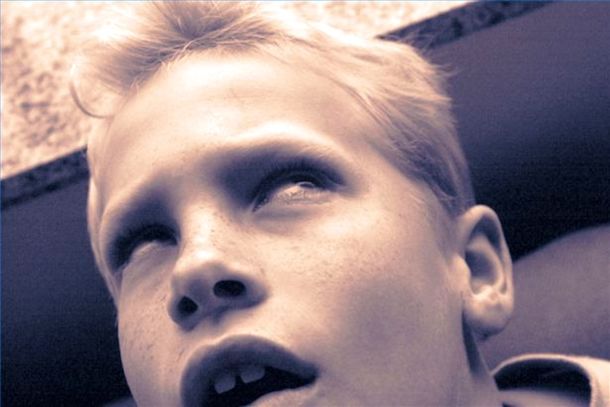
This article is a condensed version of several recent medical studies, representing their highlights and conclusions concerning Febrile Seizures (high fever) and the use of Tylenol afterward to prevent further seizure episode(s). We hope you find it relevant.

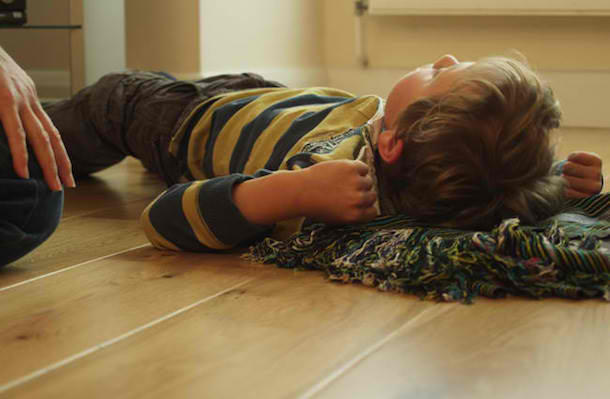
Febrile seizures are convulsions that can happen when a young child has a fever above 100.4°F (38°C). The seizures usually last for a few minutes and stop on their own, although the fever may continue for some time.

Tylenol (Acetaminophen) is a time proven safe fever reducer for infants and children.

Prior to this study it was widely believed that the administration of Tylenol was ineffective in preventing a second seizure after a first had already occurred.

This study involved infants & children from 6-60 months of age who visited the hospital after a febrile seizure. The use of Tylenol in these cases was compared with patients who received no medication after their seizure.

The dose of Tylenol given was 10mg. per kilogram (rectally) every 6 hours until 24 hours after the first seizure…if the fever remained greater than 100.4 (F).

Of the 423 patients in the study 219 received the Tylenol dose and 204 did not receive any medication for fever reduction. Results of the study showed that a recurrence of another seizure in the following 24 hours was significantly lower in the group that received Tylenol.

When administering Tylenol products at home it is important to follow accurate product dosing instructions unless your physician specifically asks you to alter the dose.

Given that there may still be some differences regarding treatment of infants or children after a febrile seizure it is important to speak with your pediatrician and/or emergency room physician should this event occur.

Your own pediatrician is always your first and best resource for diagnosis & treatment of all pediatric illnesses.

In the blazing summer heat with the full sun bearing down on us, countless parents and caregivers drape a blanket over the stroller to give babies shade. It turns out, while we think we are protecting our little ones from the sun, we may be putting them at risk for heatstroke and SIDS (Sudden Infant Death Syndrome).


Based on an interview with Stockholm pediatrician Dr. Svante Norgren about the dangers of covering a stroller, the Swedish newspaper, Svenska Dagbladet, conducted an experiment by putting a stroller out in the sun, midday, in the summer. Without a cover, the stroller was about 72 degrees Fahrenheit. After covering the stroller with a thin cover for 30 minutes, the temperature rose to 93 degrees and after an hour, 100 degrees!

Because babies sweat less, they are not able to adjust their body temperature as easily, compared to adults and older children. Their body temperatures can rise 3-5 times faster than ours. According to SIDS Australia, “Thermal stress (overheating) has been implicated in Sudden Infant Death Syndrome (SIDS) for many years and avoiding overheating has been one of the strategies to reduce the risk of SIDS.”

So how can you keep infants cool, safely?

Staying indoors during the peak heat of the day (between 10am and 3pm) can be helpful. If you must head outdoors, use a UV cover that doesn’t enclose the stroller, like a parasol. Look for strollers with large sun canopies, ventilated or removable back panel, and no excess cushioning. Air circulation is critical. Wide-brimmed hats are also a good way to protect them from the sun. Dress children lightly, use plenty of sunscreen, and keep them well-hydrated. Sponge your child with a damp cloth to keep them comfortable. A small clip-on fan can be attached to their stroller for added circulation – just be sure to keep it out of reach.

When in their stroller, check your baby to ensure they are not overheated. An overheated baby may sleep a lot. Ensure they are not sweating or are hot to the touch and head indoors if the sun and heat get too strong.


Article courtesy of our friends at
Tot Squad Baby Gear Services


Why Does My Nanny Need CPR and First Aid Training?

The question posed above is a good one. The answer I usually provide anyone who asks why their caregiver needs a life-saving course is: “Do we really have control over when bad events occur at home or anywhere else?” That answer suggests that parents stop and think about this issue. Their answer is usually self-evident. Of course we don’t.
Emergencies in the home have little or no warning as to when they will occur. This is why we emphasize the importance of two main areas: Prevention and, if and when needed, action.

The program offered by Save A Little Life ™ addresses and re-focuses on these two critical areas. The responsibilities we give our nannies/care-providers are awesome. They are not only your eyes and ears when parents are away from home, they really need the exact same understanding of how we prevent and, importantly when and how we act.

Simply and accurately put, they perform the most important job you will ever hire for. The vast majority of your home based help are smart, interested and utterly committed to your infant, toddler and child’s well-being. It is the parent’s job to make sure you are leaving your little ones in prepared hands.

First Aid and little ones

The first-aid component of the course is far more likely to be required. Cuts, bumps, splinters, head bonks and the like are quite common. Our experienced instructors review the most common of these incidents so that your nanny will be able to be decisive in their action. These actions may include:

* Responding to the more minor incidents noted above.
* Be able to understand when an injury, for example, needs the parent’s attention right away.
* Should be confident in explaining a situation that has occurred and do so succinctly and in a timely way.
* The competent use of first-aid supplies provided by the parent at home or elsewhere.
* Do their best to identify injuries or accidents that may require a visit to the E.R.
* Quickly identify higher risk concerns in or near your home where quick action may be needed to safeguard your small ones.

What we do

Save A Little Life ™ specializes in Pediatric CPR and First Aid for families and caregivers. Ask us about family discounts for those who have taken our class recently and need to have a caregiver trained too. Don’t wait!

Our next two certification courses are as follows:

Westside Nannies (En Espanol)
July 15, 2017
(Ask about our Special for this class, now through June 13, 2017!)
Westside Nannies (English)
July 22, 2017
Parents are welcome too, of course!

Have a safe and prosperous summer
Richard Pass, RN ,BS
Founder and Owner of Save A Little Life, inc.

Having been very involved in both of my daughters’ extracurricular activities, I found that basic first aid is more than helpful, it’s a must!

In our case, my kids played soccer and softball, rode bikes, zoomed on skateboards and much more. On occasion, one or the other took a tumble from that bike or skateboard, bonked heads with another kid on the soccer field, got stung by a bee or got an accidental poke in the eye.

 Since we know that minor injuries occur with regularity for children of all ages, the question is: Are we ready with adequate first-aid supplies and do we know how to use them?

 Save A Little Life not only offers the highest quality in CPR training, but we are specialists in first-aid response and have an excellent basic first-aid class just for you.

Those who attend our first-aid course will learn the following skills:

•    How to control bleeding
•    How to manage a burn
•    How to stabilize a bad sprain or fractured bone
•    How to safely irrigate a wound or eye
•    The basics of bandaging wounds
•    Dealing with insect or animal bites
•    Response to poisonings
•    How to assist a victim of a seizure
•    How best to evaluate a head injury victim

Our First Aid course is a hands-on program where all participants work with real First Aid materials under the supervision of a trained critical care or emergency department R.N.

 Knowing how to respond to urgent care problems requires the ability to remain as calm and self-assured as possible. The goal of our program is to help you gain confidence in managing many of the minor to moderate injuries when and where they occur.

These classes are a must for all parents, family members and care providers.

Check our Calendar for upcoming classes, or contact us at (818) 344-1442.

And be sure to check out our Family First Aid Kits.

Regards,

Richard Pass, RN,BS

Director, Save A Little Life, Inc.