• Shopping Cart Shopping Cart
    0Shopping Cart
Save a Little Life
  • HOME
  • ABOUT
    • SAVE A LITTLE LIFE
    • OUR TEAM
  • CLASSES
    • CERTIFICATION CLASSES
    • NON-CERTIFICATION CLASSES
    • CLASES EN ESPAÑOL
    • VIRTUAL CLASSES
  • FAQ
  • CALENDAR
  • GALLERY
  • SAFETY CORNER
  • SHOP
  • RESOURCES
  • CONTACT
  • Menu Menu

Tag Archive for: Babies

CPR, Water Safety

WHAT YOU MAY NOT KNOW ABOUT DROWNING

Drowning is a major concern worldwide.

Water is a source of joy for children of all ages but it requires a high degree of respect and caution. 

These days drowning is newly defined as “submersion in a liquid” and doesn’t assume death which may be confusing. That is why the American Academy of Pediatrics (AAP), The Center for Disease Control (CDC) and the World Health Organization (WHO) all want us to have a better understanding not only of what it is, but how drowning can affect anyone, and how it impacts society.

Too often we assume that little ones are safe in water unless we hear a lot of splashing or a call for help but sadly, these responses rarely occur. Drowning is quick and silent. That is why it’s crucial that you be informed as to what actually happens when someone is in real trouble.  

Practicing life-saving skills is the responsibility of everyone involved in the care of your children. 

Save A Little Life™ works with all parents, family members, and trusted care providers regarding the risks, how drowning actually happens, and where it occurs.  We continue to emphasize the importance of drowning prevention and, of course, what we would need to do in the event of a real health emergency.  One thing we emphasize is that drowning victims can be saved if we recognize the problem and start CPR immediately.
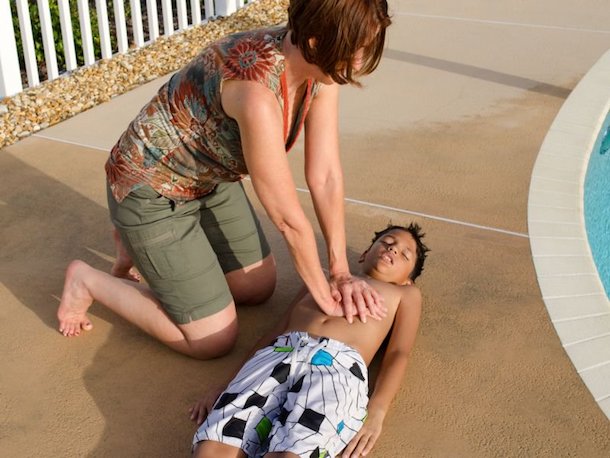
Below you’ll find the latest statistics on drowning. We encourage you to read them carefully with the understanding that our intention is not to scare you but to inspire you.

As we like to say, Be Informed. Be Prepared. Be Safe.

GENERAL STATISTICS:

  • There is an average of 4,012 unintentional drownings per year
  • Drowning remains among the top 4 causes of death from age 54 and up
  • Drowning is the single leading cause of death for children ages 1-4, and the second leading cause of injury-related death for children up to 14 years old
  • The U.S. averages 11 fatal drownings per day and an average of 22 non-fatal drownings per day
  • More than 40% of drownings treated in Emergency Departments require hospitalization, transfer or further care (compared with 8% of all unintentional injuries). Many of those who do not die will experience brain damage or other serious outcomes, often with long term disability
  • Drowning can occur in as little as 20-60 seconds
  • Nearly 80% of drowning deaths are among males due to increased exposure to water, risk-taking behavior and alcohol use

CHILD STATISTICS:

  • 88% of child drownings occur with at least 1 adult present
  • For every child that dies from drowning, another 7-8 require emergency department care for non-fatal drowning.  Nearly 70% of drownings of young children occur during non-swimming times
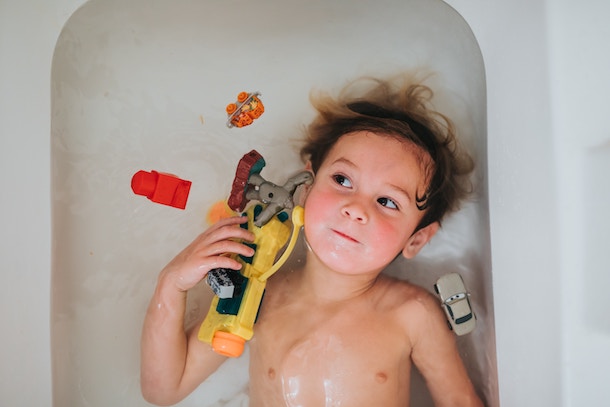
  • Two of three drowning incidents that take place in the home occur in a bathtub
  • 23% of child drownings happen during a family gathering near a pool
RACIAL AND ETHNIC GROUP STATISTICS:

  • Drowning deaths rates for Black people are 1.5 times higher than the rates for White people.  These disparities are highest among Black children  ages 5-9
  • In swimming pools, Black children ages 10-14 years drown at rates 7.6 times higher than White children
  • Black children are more likely to drown in public pools, and White children and youth in residential pools
  • Drowning rates for Native American or Alaskan Native people ages 29 and younger are 2 times higher than the rates for White people

STATISTICS FOR PEOPLE WITH DISABILITIES AND MEDICAL CONDITIONS: 

  • People with seizure disorders such as epilepsy are at a higher risk of fatal and non-fatal drowning than the general population  
  • Other conditions such as autism and heart conditions are also associated with a higher risk of drowning

Let us all be informed and prepared.  There is so much as stake.

March 31, 2023
https://savealittlelife.com/wp-content/uploads/2023/03/sall-what-you-may-not-know-about-drowning-ge325dad10_1920.jpg 485 688 RichardP https://savealittlelife.com/wp-content/uploads/2017/02/Save-A-Little-Life-logo.jpg RichardP2023-03-31 15:22:392023-03-31 16:18:06WHAT YOU MAY NOT KNOW ABOUT DROWNING
Fever, Seizures

LET’S TALK ABOUT SEIZURES AND HOW TO RESPOND TO THEM

If you’ve ever witnessed a person having a seizure, it’s likely that you’ve responded with fear or even revulsion. Or maybe you’ve simply felt helpless not knowing what to do.

So what do you do?

Film or TV portrayals of someone having a seizure might misinform you as to what the proper response actually is, and viewing seizures as evidence of demonic possession, while historical, is also likely to be misleading.

Let’s take a look at some basic facts.

Throughout the body there are electrical currents that facilitate many functions. This is especially true of the heart and brain. Sometimes an incident may occur where the current is short-circuited resulting in a seizure. The seizure itself is not the cause but the result of something, an event brought on by one of many possible causes.

Some possible causes are:

  • Use of alcohol and/or drugs
  • Flashing lights (like a strobe light)
  • Not taking medication prescribed to prevent seizures
  • Head injury where the brain is affected
  • Rapidly rising high fever in some babies and small children
  • A significant drop or rise in blood sugar levels
  • A brain tumor

DIFFERENT FORMS OF SEIZURES

Some seizures are short in duration while others last several minutes or longer.

A seizure may exhibit as rapid blinking or staring off into space.  Historically, these types of seizures have been called “petit mal” which are a less serious form.

When a seizure involves the whole body, causing shaking and altered consciousness, it is often referred to as “grand mal.”  

Some seizures only involve certain parts of the body causing involuntary twitching, confusion, and the inability to respond to someone.  

Keep in mind that having a seizure does not mean that a child has epilepsy.

Seizures resulting from rapidly rising, high fevers are the most common seizures seen in the pediatric population. These are referred to as febrile seizures. If you are a parent with infants, toddlers and/or small children it is important that you speak with your pediatrician about fever so you can learn how to treat it.  

ARE ALL SEIZURES A MEDICAL EMERGENCY?  

The short answer is NO. In relation to some of the causes listed above, however, some seizures may require a paramedic response.

For example, when…

  • seizures last more than 5 minutes
  • someone is injured during a seizure
  • a person is experiencing their first seizure
  • someone has breathing problems or the inability to walk normally after a seizure
  • the seizures don’t stop
  • they occur in water

FIRST AID RESPONSES TO A SEIZURE

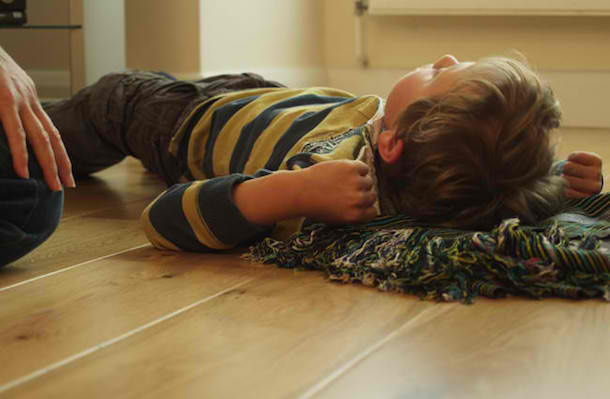
Shows a young boy lying on the floor in the aftermath of a seizure. A woman's hand resting on her leg can be seen to the left of him.

While someone is having a seizure…

  • do not try to restrain or hold them down during a seizure
  • do not put anything in their mouth
  • expect short periods of absent breathing, changes in skin color
  • do not start CPR or give rescue breaths
  • avoid giving the victim food or water

When someone is convulsing it is common for them to bite their tongue, cheek or lips, and bleeding can occur.  Do not panic if you see this.  Seizure victims DO NOT swallow their tongues.  

Stay with the victim until the seizure ends and the person fully awake is able to communicate normally. Many people will be confused afterward.

Speak softly to the victim.

Once a seizure begins to ease off, it is ok to carefully turn the person on their side.


March 30, 2023
https://savealittlelife.com/wp-content/uploads/2023/03/save_a_little_life_lets_talk_about_seizures_and_how_to_respond_to_them_g58b092ad4_1920.jpg 485 688 RichardP https://savealittlelife.com/wp-content/uploads/2017/02/Save-A-Little-Life-logo.jpg RichardP2023-03-30 14:43:082023-04-07 12:14:31LET’S TALK ABOUT SEIZURES AND HOW TO RESPOND TO THEM
Child Development, SIDS

WHY TUMMY TIME IS IMPORTANT FOR INFANTS

Did you know that with all the emphasis on back sleeping, it’s very important that  infants spend a short but regular amount of time on their stomachs? This allows your baby to strengthen their shoulder, neck, back and core muscles which lay the foundation for sitting up, rolling over and eventually crawling and walking.

Parents and caregivers can start this very early, even within days of birth.  

The American Academy of Pediatrics suggests 2 or 3 tummy time sessions every day.  

Each session should only be a few minutes long.  As the infant grows and their strength improves these sessions can be more frequent and for longer periods.

For those who aren’t sure how to get started here are some suggestions that will help:

  • Try short tummy time sessions after a diaper change or after the baby wakes up from a nap
  • Prop up young babies by placing a rolled-up towel or small blanket under their arms and chest
  • To encourage play, put toys or a small mirror within baby’s reach to enable them to interact with their surroundings
  • Join your baby on the floor at their eye level and interact with them by singing, holding objects and talking to them
  • Tummy time can also occur when an adult is on their back and baby is lying on them or across the parent’s lap

All family members can participate in tummy time, including grandparents, or older siblings as long as an adult is watching.

These moments not only encourage growth and development but also offer a change from the safest sleeping position…on their backs.

March 30, 2023
https://savealittlelife.com/wp-content/uploads/2023/03/save_a_little_life_why_tummy_time_is_important_for_infants_3268264_1920_amyelizabethquinn.jpg 448 672 RichardP https://savealittlelife.com/wp-content/uploads/2017/02/Save-A-Little-Life-logo.jpg RichardP2023-03-30 12:29:082024-10-04 14:25:32WHY TUMMY TIME IS IMPORTANT FOR INFANTS
Working Remotely from Home

7 STRATEGIES FOR SURVIVING REMOTE WORK WITH KIDS AT HOME

Working remotely might be the perfect fit for your career and family. Yet juggling childcare while getting work done can be challenging. With these survival tips from Save a Little Life in mind, you can breathe a little easier during the work week.

Dedicate an Area of Your Home to Work
Because working from home often involves mixing business and pleasure, a dedicated work area is a must. Separating work from daily living can help you focus and avoid distractions. A home office or nook can also create a work-life balance if you close it off at quitting time.

Aim to maintain an ergonomic work area, rather than working from bed or at the kitchen table. Proper posture is crucial for avoiding spine, wrist, and other injuries, notes Healthline; ergonomics matter when working from home.

Establish a Daily Routine or Rhythm
Most parents of young kids scoff at the idea of a “schedule.” What infant or toddler naps exactly when their caregiver needs them to? An alternative is a routine or rhythm that fits your family’s needs.

According to Parents magazine, routines are beneficial for kids and help bedtime go more smoothly, reduce meltdowns, and even teach toddlers flexibility. The exact times don’t matter, but a sequence of events keeps everyone on track.

Set Up Toddler-Safe Solo Activities
Managing a toddler while balancing a full workload isn’t easy. For times when you need to keep little hands busy, set up quiet toddler activities they can do solo. Making sure to avoid potential choking hazards is a no-brainer, but mess-free activities are a must, too.

Toys like blocks, puzzles, and coloring books can be intriguing, especially if they are new or not always available. Stickers, large magnets, and felt boards can also be engaging. Try to keep different toys in rotation to maintain interest, as novelty can wear off quickly.

Carve Out Time for Older Children
Working from home sometimes feels like working 24/7. It can also feel that way for your kids, especially older children who are mostly self-sufficient. Babies and toddlers require a lot of attention, but older kids need one-on-one time, too.

Take care to prioritize your older kids at important times of the day when your little ones aren’t underfoot.

Choose Clothing You Can Live In
An obvious benefit of working from home is the ability to wear comfortable clothes. Of course, if you need to be Zoom-ready on top, professional yet comfortable clothing is paramount.

Versatility is a keyword when it comes to comfortable, functional clothes.

Luckily, nursing parents can find top-rated nursing bras online, making it easy to add them to your shopping cart while ordering diapers and wipes.

Declutter Daily for Less Stress
Every parent knows how stressful having too much stuff is, but you might not realize how much clutter impacts your day. Mayo Clinic confirms that clutter can create stress and even keep you up at night.

Starting your day with a clean space can help you buckle down and get work done. Quick clutter pickups a few times daily can also help you feel accomplished. Try out a quick-clean routine to keep messes from piling up through the work week, and the mental load may ease even more.

Enjoy Downtime as “Me Time”
Though many parents feel guilty about dedicating time to self-care, Romper’s experts say it’s necessary. Carving out even a few minutes a couple of times per day can boost your mood and mental health.

Therapists say to take alone time to recoup, refresh, and be a more active parent when you are with your kids. Asking for help from your partner or family is recommended, too.

Remote work with a baby or toddler (or even older kids) isn’t easy, but it is doable. From setting up the right workspace to planning activities for little ones, lining things up takes effort but pays off when you hit deadlines and end the work week strong.


THANKS TO COLLEEN STEWART

from Play Date Fitness 

for contributing this article

December 14, 2022
https://savealittlelife.com/wp-content/uploads/2022/12/helena-lopes-C2WC2ZerF3s-unsplash-650X433.jpg 433 650 RichardP https://savealittlelife.com/wp-content/uploads/2017/02/Save-A-Little-Life-logo.jpg RichardP2022-12-14 18:58:372022-12-14 19:36:167 STRATEGIES FOR SURVIVING REMOTE WORK WITH KIDS AT HOME
Automobile Safety, Injury Prevention

THE BIGGEST MISTAKE YOU CAN MAKE WITH A CAR SEAT

The American Academy of Pediatrics (AAP) wants parents to know that sleeping in their car seats when not in transport has significant risk and has caused an alarming number of deaths nationwide.

Dr. Jeffrey Colvin, the lead author of a study looking at risk for infants in car seats, found that “most of the deaths occurred when the car seat was being used as a sleeping device.” He further noted “It really appears that the deaths in these car seats occurred in the context where the car seat wasn’t being used for its purpose in transporting a child, but instead it was being used as a substitute for a crib or bassinet.”

The AAP study further noted that “compared with other deaths, deaths in sitting devices had higher odds of occurring under the supervision of a child care provider or babysitter (our italics) compared with a parent.”

Dr. Colvin told Today that while there is no definitive reason for the number of deaths in car seats, he suggested the angled position of the device might be a factor, as well as the straps and side padding that could potentially be a strangulation or suffocation risk. He also stressed that “before there is widespread panic every time a child falls asleep in a car seat, parents should absolutely not be concerned if their baby falls asleep during the usual time in transit.” Various experts have opinions as to how long it is safe for them to be sleeping during a car trip. Please discuss this with your pediatrician for their expert advice.

December 9, 2022
https://savealittlelife.com/wp-content/uploads/2022/12/car-seat-in-the-house-by-glamamom-650x488-1.png 488 650 RichardP https://savealittlelife.com/wp-content/uploads/2017/02/Save-A-Little-Life-logo.jpg RichardP2022-12-09 18:00:252022-12-09 18:00:25THE BIGGEST MISTAKE YOU CAN MAKE WITH A CAR SEAT
Child Development

SHARE THE BEAT! THE SINGING CONNECTION

According to a study conducted at Vanderbilt University, engaging infants with song encourages social development and interaction.

Researchers enrolled 112 infants who were either 2 or 6 months old and tracked these infants’ moment-by-moment eye-looking to reveal that the rhythm of caregivers’ singing causes infant eye-looking to become synchronized or entrained to the caregiver’s social cues at sub-second timescales.

As early as 2 months of age, when infants are first engaging with others in an interactive manner, they were twice as likely to look to the singer’s eyes time locked to the musical beat, than might otherwise occur by chance.

By 6 months of age, they were more than four times as likely to look to the singers’ eyes synchronized to the musical beats.

“Singing to infants seems like such a simple act, but it is full of rich and meaningful social information, said Miriam Lense, PhD., assistant professor. She adds, “Critically, the predictable rhythm of singing is essential for this entrained social interaction. When we experimentally manipulate the singing so that it no longer has a predictable rhythm, entrainment is disrupted and infants no longer successfully synchronize their eye-looking to the caregivers’ social cues.” she added.

“Although what a caregiver expresses is important, when and how they express social cues is particularly critical for infant-caregiver communication,” Lense added. “Rhythmic predictability — a universal feature of song — is an integral mechanism for structuring social interactions and supporting infant social development.”

The important conclusion the study underscores is that making music is not only about entertainment but it is also a core aspect of early socio-emotional development.

So parents, nannies, and caregivers, sing on! Not only is it fun for both you and the child, it’s life-enriching as well.


The original article published by Vanderbilt University can be found here.

December 9, 2022
https://savealittlelife.com/wp-content/uploads/2022/12/woman-and-baby.png 401 602 RichardP https://savealittlelife.com/wp-content/uploads/2017/02/Save-A-Little-Life-logo.jpg RichardP2022-12-09 17:59:582022-12-09 17:59:58SHARE THE BEAT! THE SINGING CONNECTION
Automobile Safety

IS CAR SEAT SLEEPING DANGEROUS?

We’re all accustomed to seeing infants and toddlers nod off when traveling in a car. The question is, how safe is it?

Although their car seat is angled back a bit, you will have noticed that when they fall asleep their heads inevitably fall forward. This is considered to be safe since the amount of pressure on their airway isn’t sufficient to stop breathing.

That being said, safety experts have known for some time that prolonged sleep in a car seat poses the risk of impaired breathing. This is due to the amount of pressure that the infant’s head puts on the breathing passage in a “hyper-flexed” or head down position. Infants, in particular, have large heads and small, very weak neck muscles making it impossible to hold their head steady, especially during sleep. Consequently, their head will usually fall forward during a car ride which can apply unsafe pressure on the airway making breathing difficult.

But just how long is it safe for a baby to slumber in that position? There seems to be some disparity among experts but most of them recommend no longer than one hour due to the possibility of reduced oxygen, while others extend that time closer to two hours.

So, if you’ve just pulled into your driveway and your little one is fast asleep,  is it safe to let them sleep while you attend to other things?

Helen Arbogast, injury prevention manager at Children’s Hospital of Los Angeles, says no, especially for those under two years of age.  The reality is that car seats are not designed for infants or toddlers to sleep in safely for an extended period of time. Ultimately, infants and toddlers are safest when sleeping in a crib or bassinette.

One question parents often ask us is what precautions we suggest if they are taking a longer road trip. Expert opinion suggests that either you have someone in the back seat with the child who can stimulate the infant periodically and/or make more frequent stops.

Be sure to pose the question to your pediatrician during your next well-baby visit.

In a related issue, Congressman Tony Cardenas (D-Panorama City) sponsored the passage of the Safe Sleep for Babies Act which passed both the house and senate. (Finally, something they can agree on!) The bill issues strict guidelines for crib safety that all crib manufacturers are now required to follow.

Updated June 06, 2025.

August 4, 2022
https://savealittlelife.com/wp-content/uploads/2022/08/vehicle-g56521bd01_1280-449x674-1.jpg 674 449 RichardP https://savealittlelife.com/wp-content/uploads/2017/02/Save-A-Little-Life-logo.jpg RichardP2022-08-04 12:42:012025-06-13 13:28:36IS CAR SEAT SLEEPING DANGEROUS?
Safety with Pets

SMALL CHILDREN AND PETS

Staying home during this pandemic has both good and, on occasion, not-so-good implications from an injury standpoint.

There has been a recent surge in dog and cat bites, especially where children are concerned. Let’s face it, small children and pets can be a volatile mix.

Dog bites alone account for tens of millions of injuries annually. A great number of these bites are provoked by toddlers and children. If a dog is frightened, experiences pain or is approached while eating the risk of a bite is greater. Dogs that are ill or older have a lower tolerance and may bite when younger dogs might not.

Dog bites can be minor or severe in nature. Many of them can be treated at home with basic first aid, but others may require a scary visit to the emergency department. Canines have very strong jaws and can exert up to 200 pounds of pressure per square inch while larger dogs are capable of twice that much.

The most common bites are to the hands and arms. These can be very serious due to the pain inflicted and because of the risk of infection. Dog mouths have as many as 64 types of bacteria including staph and strep microbes.

As a community we have done well by adopting dogs of every shape and size. The vast majority of these animals are welcomed into our homes and become our loving pets. All the same, you should be aware of the dog’s history and if that history includes aggression and/or unprovoked biting.

One of your best resources is your own veterinarian. Make sure that you discuss issues of safety if a dog has come from unsafe circumstances.


August 3, 2020
https://savealittlelife.com/wp-content/uploads/2020/08/prevent-dog-bites-freegr-from-pixabay.jpg 449 599 RichardP https://savealittlelife.com/wp-content/uploads/2017/02/Save-A-Little-Life-logo.jpg RichardP2020-08-03 18:39:352020-08-04 11:43:22SMALL CHILDREN AND PETS
Viruses

THE #1 PANDEMIC VIRUS THAT COULD AFFECT YOUR FAMILY

Hype or hyperbole? Headlines scare people, for sure. The number of coronavirus comments, articles and statistics can make you shudder. You might even purchase protective masks or simply stay home in fear.

Americans, much like many others, are actually at much greater risk from a virus which is here, now. This season, influenza (the Flu), has already claimed the lives of at least 40 children and it remains a far greater health concern for your family than any other communicable disease.

According to the Centers for Disease Control & Prevention (CDC) the flu has sickened 13 million Americans this winter, putting 120,000 of them in the hospital and has already taken 6,600 lives. The flu season has not yet peaked and when all data is in the flu may take as many as 61,000 American lives.

Protection from the flu takes a number of forms. Although imperfect due to the changing nature of viral illnesses, the flu vaccine is still your best hedge against this awful disease. According to the CDC, fewer than half of American adults got a flu shot last season. For children, who are more vulnerable to the respiratory effects of the flu, only 62% received the vaccine last year.

Dr. Paul Offit, director of the Vaccine Education Center at Children’s Hospital of Philadelphia believes that because the exotic viruses from foreign lands have such different and scary names (Ebola, Zika, Wuhan, etc.) we fear them even more than our generic annual flu strains. When the SARS virus caught our attention, causing a global panic, the U.S. “dodged a bullet” according to the CDC with only 8 Americans becoming infected. There were no deaths from SARS in the U.S. Yet, it caused panic on a global scale.

Children are most often hit the hardest with the flu and statistics reveal that most kids who die from the flu virus have not been immunized against it. Many of these children were previously healthy.

Protection from the flu not only includes getting vaccinated. If you or a family member develops a fever, body aches, headache and/or cough they should be seen by the family physician and screened as early as possible for the flu. Early detection is essential as there are anti-viral medications that can be prescribed to lessen the negative impact.

Other simple methods of disease prevention include keeping sick individuals at home, frequent hand washing and covering ones mouth when coughing.

February 25, 2020
https://savealittlelife.com/wp-content/uploads/2020/02/virus.jpg 499 599 RichardP https://savealittlelife.com/wp-content/uploads/2017/02/Save-A-Little-Life-logo.jpg RichardP2020-02-25 18:03:102020-02-27 17:31:48THE #1 PANDEMIC VIRUS THAT COULD AFFECT YOUR FAMILY
Choking

8 WAYS TO REDUCE A CHILD’S RISK OF CHOKING

In the 20 years that I have been teaching for Save A Little Life™  I have heard countless stories from parents regarding choking or near-choking events with their infants and/or children. These reports stick with me and I try to learn something from each parent who experiences them.

In our CPR and First-aid classes we always discuss the realistic chances of an infant or child choking. It remains one of the top causes of accidental death and the risks vary depending on the age of the infant or child. What has become clear, however, are the circumstances and conditions that either increase or decrease these incidents.

Human beings are born with good reflexes (gagging, coughing, vomiting) that most often reject items that threaten the airway. Parents will readily tell me about these episodes and most have learned how to prevent a choking episode.

Prior to eating semi-solids and solid foods infants thrive on breast milk and other fluids. Parents observe gagging episodes and almost always find ways to reduce (or at least panic less) these. Once we begin more solid foods there is a palpable increase in parental concern. This is understandable and we never minimize those concerns.

So, what can any parent, family member or care provider do to lessen the choking risk? Here are the most effective measures you can take to lessen the risk:

  • Infants & children need to be seated in an appropriate highchair or booster seat when eating. No exceptions
  • A responsible adult needs to be present during all feeding times
  • Try and avoid doing other activities during feeding because a choking person makes no sound!
  • Once an infant or child is able to crawl or walk they should have no food in their mouths or hand(s). The risk of choking elevates when these activities coincide.
  • During family activities, vacations and/or parties (birthday’s, etc.) there should be no letdown of your focus.
  • Pay close attention to toddlers who, when self-feeding, attempt to put too much food in their mouths at once. You have control of this!
  • Never allow infants or children to eat in the vehicle…especially during the first 2 years when they are seated facing rear.
  • Make sure that any family members, care providers or friends who assist during feeding understand these risks and observe the same precautions

There is always the possibility that, even when safe eating practices are used, some little ones will choke. Most people have about 30 seconds of consciousness once their airway is completely blocked. There is no reason to (initially) call 9-1-1 for a choking person since effective removal of an obstruction is done by those present. Paramedics are anywhere from 4-10 minutes away.

During the Save A Little Life™ class we prepare all in attendance to be able to identify a blocked airway and to remove it by safe and established emergency guidelines.

Prevention is the key to reducing risk for all health emergencies. It is woven into the fabric of our daily lives. We are always living with risk but with the proper understanding and consistent practice these risks can be lowered.

February 25, 2020
https://savealittlelife.com/wp-content/uploads/2020/02/8-ways-to-reduce-the-risk-of-choking-image-by-dhanelle-on-pixabay.jpg 499 599 RichardP https://savealittlelife.com/wp-content/uploads/2017/02/Save-A-Little-Life-logo.jpg RichardP2020-02-25 17:59:292020-02-25 18:36:258 WAYS TO REDUCE A CHILD’S RISK OF CHOKING
Page 3 of 41234
Search Search

Upcoming Classes & Events

27 Oct

Family and Friends CPR & Home Safety (In Person Class) with A Mother’s Haven – Encino, CA

28 Oct

Family and Friends CPR & Home Safety (In Person Class) with the Pump Station & Nurtury – Santa Monica, CA

04 Nov

Family and Friends CPR & Home Safety (In Person Class) with the Pump Station & Nurtury – Santa Monica, CA

08 Nov

Family and Friends CPR & Home Safety (In Person Class) with the Pump Station & Nurtury – Santa Monica, CA

18 Nov

Family and Friends CPR & Home Safety (In Person Class) with the Pump Station & Nurtury – Santa Monica, CA

SITE NAVIGATION

  • HOME
  • ABOUT
    • SAVE A LITTLE LIFE
    • OUR TEAM
  • CLASSES
    • CERTIFICATION CLASSES
    • NON-CERTIFICATION CLASSES
    • CLASES EN ESPAÑOL
    • VIRTUAL CLASSES
  • FAQ
  • CALENDAR
  • GALLERY
  • SAFETY CORNER
  • SHOP
  • RESOURCES
  • CONTACT

FIRST AID KITS

Save A Little Life ™ FIRST AID KITS are a must-have for every household.

Each kit contains top quality hospital grade materials with instructions for use and an easy-to-use First Aid manual.

Available in three different sizes.

ORDER NOW

SMALL
MEDIUM
LARGE

First Aid Kit reviews

  • FAMILY FIRST AID KITS FAMILY FIRST AID KITS
    Rated 5 out of 5
    by Mike
  • FAMILY FIRST AID KITS FAMILY FIRST AID KITS
    Rated 5 out of 5
    by N. Phillips

SIGN UP FOR OUR NEWSLETTER

Shows the Save A Little Life logo - a brown teddy bear in front of a life buoy
(323) 394-4076

RESOURCES
TERMS OF USE
PRIVACY POLICY
SITE MAP
© Copyright SAVE A LITTLE LIFE 2026 - Site Design by: Great Spirited Productions
Scroll to top Scroll to top Scroll to top

Save A Little Life™ uses cookies to ensure you get the best experience on our website. By continuing to browse the site, you are agreeing to our use of cookies.

OK

Cookie and Privacy Settings


How we use cookies

We may request cookies to be set on your device. We use cookies to let us know when you visit our websites, how you interact with us, to enrich your user experience, and to customize your relationship with our website.

Click on the different category headings to find out more. You can also change some of your preferences. Note that blocking some types of cookies may impact your experience on our websites and the services we are able to offer.

Essential Website Cookies

These cookies are strictly necessary to provide you with services available through our website and to use some of its features.

Because these cookies are strictly necessary to deliver the website, refusing them will have impact how our site functions. You always can block or delete cookies by changing your browser settings and force blocking all cookies on this website. But this will always prompt you to accept/refuse cookies when revisiting our site.

We fully respect if you want to refuse cookies but to avoid asking you again and again kindly allow us to store a cookie for that. You are free to opt out any time or opt in for other cookies to get a better experience. If you refuse cookies we will remove all set cookies in our domain.

We provide you with a list of stored cookies on your computer in our domain so you can check what we stored. Due to security reasons we are not able to show or modify cookies from other domains. You can check these in your browser security settings.

Other external services

We also use different external services like Google Webfonts, Google Maps, and external Video providers. Since these providers may collect personal data like your IP address we allow you to block them here. Please be aware that this might heavily reduce the functionality and appearance of our site. Changes will take effect once you reload the page.

Google Webfont Settings:

Google Map Settings:

Google reCaptcha Settings:

Vimeo and Youtube video embeds:

Privacy Policy

You can read about our cookies and privacy settings in detail on our Privacy Policy Page.

PRIVACY POLICY
Accept settingsHide notification only